

How to Prepare Sofas, Mattresses and Wooden Furniture for a Steel Container
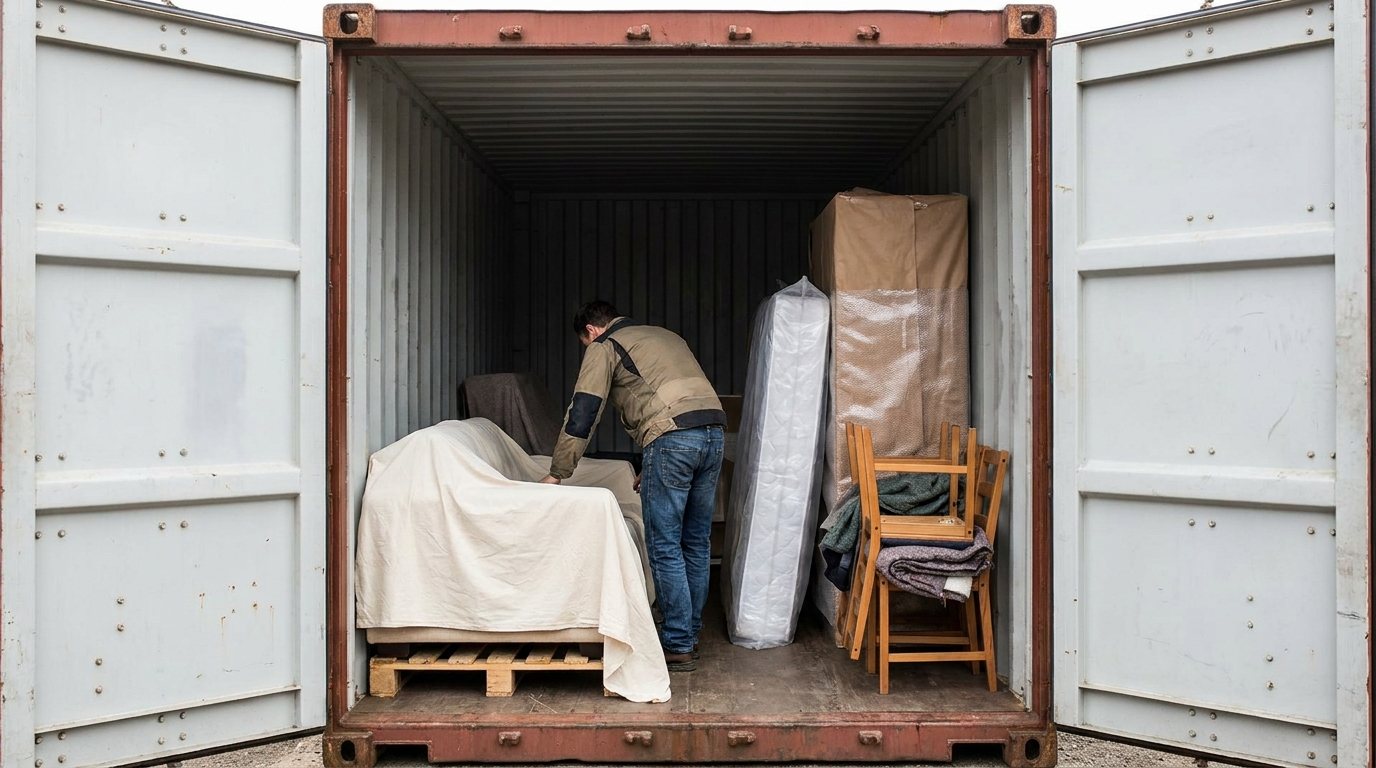
Furniture that has lived comfortably in a centrally heated home for years can suffer if it is simply pushed into a container and left. Steel boxes are strong and weathertight, but what you do before closing the doors decides whether a sofa, dresser or mattress comes out looking the way it went in. A little preparation goes a long way.
Start with clean, dry furniture
Anything going into storage should be completely dry. Wipe down wooden surfaces, vacuum upholstery and let anything recently cleaned air thoroughly before it is loaded. Crumbs, spills and damp patches are what encourage mould and odours over time. Empty drawers and cupboards of food, toiletries or anything that could leak. For wooden pieces, a light coat of furniture polish or wax helps protect the finish.
Get things off the floor with pallets
A container floor is solid and level, but raising furniture slightly gives air somewhere to move and keeps fabric and timber away from any moisture that might find its way in on a wet loading day. Wooden pallets or lengths of timber batten laid across the floor make a simple platform. Put the heaviest, most valuable pieces on them first: wardrobes, chests of drawers, upholstered chairs and anything with a fabric base.
Covers that breathe, not plastic that sweats
It is tempting to shrink-wrap everything in plastic, but sealing furniture in airtight film can trap any moisture already in the fabric or wood. Over weeks or months, that can lead to mildew and marks. Better choices include:
- Cotton dust sheets or old bed linen for sofas and armchairs.
- Breathable mattress bags designed for storage rather than thin polythene.
- Moving blankets or quilted pads for polished wood and glass-fronted cabinets.
- Cardboard corner protectors on tables, mirrors and picture frames.
Plastic wrap still has a place for short-term protection during transport, but consider removing it once the item is in position, or at least leaving the ends open.
Leave gaps for airflow
Packing furniture tight against the steel walls stops air circulating. Leave a small gap between the larger pieces and the container sides, and avoid wedging upholstered items hard against each other. A narrow central walkway does double duty, giving both ventilation and access. Loose, open stacking is kinder to furniture than cramming every corner.
Standing sofas and mattresses the right way
Mattresses should be stored flat if space allows, or standing on their long edge, supported so they cannot bow or slump. Never pile heavy boxes on top of a mattress, as the springs and filling can be permanently distorted. Sofas can often be stood on end to save floor space, but check the frame first: some designs are fine upright, while others put strain on joints. Remove cushions and feet, wrap them separately, and keep the cushions with their sofa so nothing goes missing.
Dining chairs can be stacked seat to seat with a blanket in between. Tables are best with legs removed and the top stood on its edge against a wall, padded on both faces.
Why the container itself matters
Preparation only helps if the container is sound. Older containers that have been through years of shipping can have rusted seams, tired seals or dents that let in water and create condensation. In Bristol, Wilkinsons Self Storage uses brand-new 20ft steel storage containers in its outdoor yard on Trench Lane, which avoids the leaks, condensation and structural wear associated with worn containers. For people researching Bristol container storage for a sofa, a bedroom set or a whole home, that is a sensible starting point.
The containers have wide doors and drive-up access on concrete and tarmac, so heavy furniture can be carried straight from the van without long distances to cover. The yard is gated, floodlit and covered by 24/7 monitored CCTV, a padlock is included, and weekly or monthly terms make it easy to store for as long as needed.
Check in from time to time
If your furniture is staying put for a long period, an occasional visit on a dry day is worthwhile. Open the doors, let fresh air in, and check that covers are still in place and nothing has shifted.
Furniture rarely gets damaged in storage because of the storage itself; it gets damaged because of how it was packed. Clean, raise, cover loosely, leave space and stand things sensibly, and your pieces should come home ready to use.